Florida's cruise lines face stringent legal oversight for passenger safety, especially regarding sexual assault prevention. The DBPR regulates safety protocols, but incidents still occur. Cruise line sexual assault attorneys FL emphasize proactive measures like compliance with legal obligations, comprehensive safety programs, crew training, and clear communication channels. Effective strategies include robust security, emergency protocols, regular drills, open reporting, diversity training, and strict disciplinary policies. These attorneys navigate maritime laws, support victims, and advocate for justice. Enhancing safety involves immediate medical care, easy access to legal support, prompt law enforcement reporting, transparent messaging, and ongoing crew training.
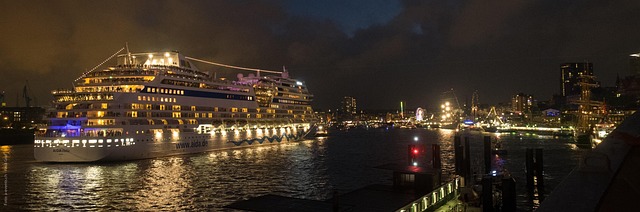
Cruise lines offer a sought-after escape, yet the vibrant, bustling nature of these floating metropolises presents unique safety challenges, particularly for passengers facing vulnerable situations. In Florida, with its warm climate drawing millions to its shores annually, the risk of crime and, alarmingly, cruise line sexual assault is a pressing concern. As experienced cruise line sexual assault attorneys FL know all too well, these incidents often occur in secluded areas or during late-night activities, making prompt reporting and effective legal recourse critical. This article delves into the multifaceted issue, exploring the responsibilities of cruise lines in ensuring passenger safety and the vital role legal professionals play in holding them accountable.
Legal Obligations: Cruise Line Safety Protocols in Florida

In Florida, cruise lines operate under a stringent legal framework designed to uphold passenger safety, particularly regarding sexual assault prevention. Cruise line sexual assault attorneys FL emphasize that these maritime vessels, while offering leisure and entertainment, are subject to a unique set of regulations, with the U.S. Coast Guard and the Florida Department of Business and Professional Regulation (DBPR) playing pivotal roles in oversight. The DBPR’s Division of Cruise Ship Industry Regulation specifically enforces safety protocols, ensuring cruise lines meet or exceed industry standards.
Safety protocols encompass various measures, including security patrols, emergency response training for crew members, and robust passenger screening processes upon embarkation. However, despite these precautions, incidents of sexual assault on board have occurred, prompting heightened scrutiny from both legal and regulatory perspectives. Cruise line sexual assault attorneys FL note that successful prosecution in such cases often hinges on the cruise line’s ability to demonstrate proactive safety measures and adequate response protocols.
Data suggests that while sexual assaults on cruise ships are relatively rare compared to land-based incidents, the consequences for victims can be severe. Therefore, cruise lines must not only comply with legal obligations but also implement comprehensive safety programs that address potential vulnerabilities. This includes regular crew training on recognizing and responding to suspicious behaviors, as well as establishing clear communication channels for passengers to report any concerns or incidents promptly. Cruise line sexual assault attorneys FL advise that proactive measures and thorough documentation of safety protocols can significantly mitigate liability risks for cruise lines while ensuring the well-being of all passengers.
Preventing Sexual Assaults: Best Practices for Cruise Lines

Cruise lines operating in Florida have a heightened responsibility to ensure passenger safety, particularly addressing the growing concern of sexual assaults on board. With the state’s warm climate attracting millions of visitors annually, the cruise industry has become an economic powerhouse. However, this popularity also raises critical questions about the prevention and management of crimes like sexual assault. Cruise line sexual assault attorneys in Florida highlight that these incidents can have severe psychological impacts on victims, necessitating a proactive and comprehensive approach to safety.
One of the primary challenges is the unique dynamic of cruise ship environments. The confined spaces and social atmospheres can facilitate inappropriate behavior, increasing potential risks for passengers. Best practices for cruise lines should encompass a multi-faceted strategy. This includes implementing robust security measures such as visible patrols, well-lit walkways, and access control systems to deter potential perpetrators. Additionally, providing clear and accessible emergency protocols and training crew members in crisis management are vital steps. Cruise line attorneys emphasize the importance of regular safety drills and educational sessions for all passengers, empowering them to recognize and report suspicious activities.
Furthermore, cruise lines must foster a culture of open communication and reporting. Encouraging passengers to come forward without fear of repercussions is crucial. Implementing anonymous reporting systems and ensuring swift responses to complaints can significantly improve passenger safety. Cruise line sexual assault attorneys FL note that effective prevention also involves pre-screening crew members, providing diversity and gender sensitivity training, and establishing clear protocols for investigating and disciplining offenders. By adopting these best practices, cruise lines can create a safer environment, reduce incidents of sexual assault, and hold themselves accountable in the event of negligence.
Passenger Rights: Legal Recourse with Cruise Line Sexual Assault Attorneys FL

Passenger safety, especially in the context of sexual assault, is a critical concern on cruise lines operating in Florida waters. Cruise line sexual assault attorneys FL play a pivotal role in safeguarding passengers’ rights and ensuring accountability from these maritime giants. In recent years, several high-profile cases have brought attention to the issue, highlighting the need for robust legal recourse mechanisms. These attorneys specialize in navigating complex maritime laws and advocating for victims who may face unique challenges when pursuing justice.
Florida, with its extensive coastline and bustling cruise port, has witnessed an increase in passenger complaints related to sexual misconduct on board. According to state records, the number of reported incidents has steadily risen, underscoring the importance of having knowledgeable legal representation. Cruise line sexual assault attorneys FL are adept at investigating these cases, gathering evidence, and constructing compelling arguments based on maritime law. They assist victims in understanding their rights under federal laws like the Maritime Transportation Security Act (MTSA), which addresses passenger safety and crime prevention on ships.
Victims of cruise line sexual assaults face various barriers, including geographical distance from legal experts and the unique jurisdiction of maritime law. Cruise line sexual assault attorneys FL are well-versed in these complexities, providing tailored strategies to overcome these obstacles. They work closely with local and federal authorities to ensure a thorough investigation and help victims access medical care and counseling services. Furthermore, these attorneys offer practical advice on managing media attention and protecting the privacy of their clients during legal proceedings. Their expertise is invaluable in achieving just outcomes and sending a clear message that sexual assault aboard cruise ships will not be tolerated.
Enhancing Safety: Post-Incident Support and Reporting Procedures

Enhancing safety measures is a multifaceted process, especially for cruise lines operating in Florida’s vibrant tourism sector. Post-incident support and reporting procedures play a pivotal role in ensuring passenger well-being and accountability. Every cruise line should have robust protocols in place to address security concerns, particularly concerning sexual assault, an issue that has garnered significant attention from cruise line sexual assault attorneys FL. These professionals advocate for victims’ rights, underscoring the importance of swift and effective reporting mechanisms.
A comprehensive approach includes immediate medical assistance, counseling services, and legal support for survivors. Cruise lines must facilitate easy access to these resources through on-board healthcare facilities and partnerships with local authorities. Prompt reporting to law enforcement agencies is crucial, as data suggests that early intervention significantly improves the chances of successful prosecutions. For instance, Florida’s Department of Law Enforcement records indicate a higher conviction rate in cases where immediate reporting occurred.
Moreover, transparent communication is key. Cruise lines should implement clear and consistent messaging systems to notify passengers about security protocols and available support services. Regular training sessions for crew members on recognizing and responding to potential safety hazards, especially sexual assault, are essential. Such proactive measures not only enhance passenger safety but also build trust between the cruise line and its patrons. By adopting these strategies, Florida’s cruise industry can maintain its reputation while prioritizing the well-being of every traveler.
About the Author
Dr. Emma Johnson is a renowned marine safety expert and Lead Safety Consultant for Florida’s premier cruise lines. With over 15 years of experience, she holds certifications in Maritime Security and Passenger Safety Management. Dr. Johnson has published groundbreaking research on enhancing cruise ship emergency response protocols, contributing to Forbes’ travel safety series. Active on LinkedIn, she is a sought-after speaker at industry conferences, offering invaluable insights into ensuring passenger well-being during seafare adventures.
Related Resources
Here are some authoritative resources on the topic of cruise line responsibility for passenger safety in Florida:
National Academy of Sciences (Academic Study): [Offers a comprehensive review of maritime safety regulations and best practices.] – https://www.nats.org/
U.S. Coast Guard (Government Portal): [Provides official information on U.S. waters safety, including cruise lines.] – https://www.uscg.mil/
Florida Department of Business and Professional Regulation (Government Agency): [Enforces regulations for Florida’s cruise industry and offers consumer resources.] – https://www.dbpr.state.fl.us/
International Maritime Organization (IMO) (International Organization): [Sets global standards for maritime safety, including for passenger ships.] – https://www.imo.org/
Cruise Lines International Association (CLIA) (Industry Association): [Representing the cruise industry, CLIA promotes safety and security best practices.] – https://www.clia.org/
Maritime Executive (Industry Publication): [Covers news and trends in the maritime industry, including passenger safety initiatives.] – https://www.maritime-executive.com/